


Winter Proof Your Arena with Manege Levellers and Surface Groomers
A riding arena can look ready for winter at a glance, then fail the first week the rain sets in. Hoofprints hold water. Fibre gathers along the track. Sand migrates to the kickboards. Low spots become puddles, and the surface that felt even in September starts riding deep by November.
Winter maintenance is not only about tidying the top layer. It is about keeping the whole surface open, level and draining before wet weather turns small problems into costly repairs. The right manege leveller or artificial surface groomer helps preserve the arena's structure, reduces tracking, and keeps sand or fibre working as intended.
For equestrian yards, sports facilities and private arenas, this is the season to check the surface, set a maintenance routine and choose equipment that matches the material underfoot.
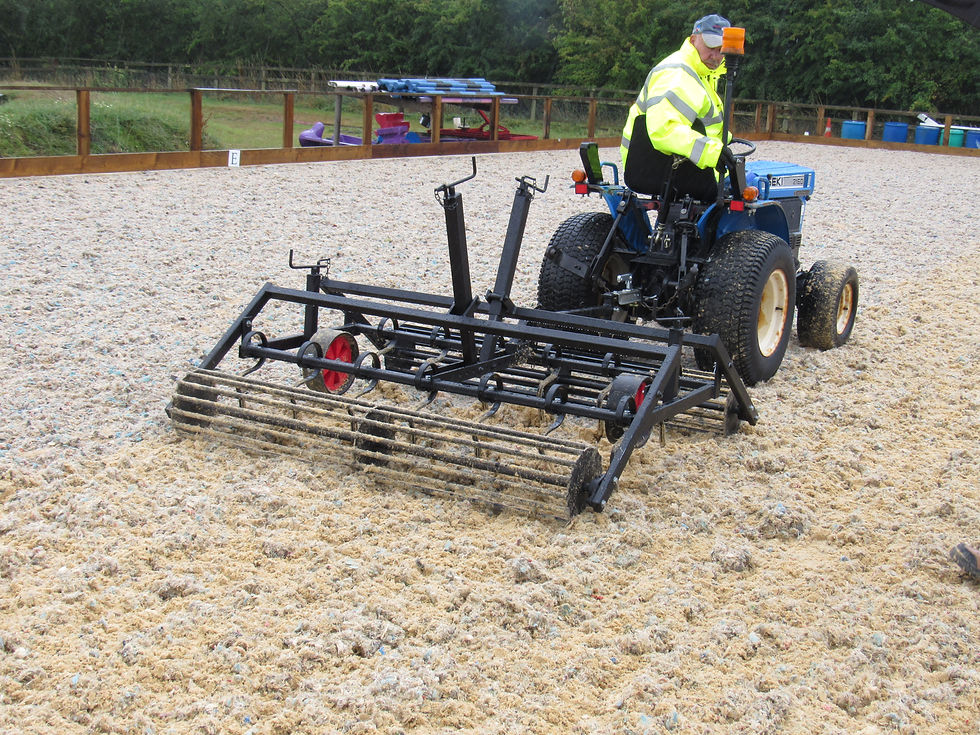
Winter damage often starts with tracking
Tracking is one of the clearest signs that an arena is no longer wearing evenly. It usually appears along the outside line, on circles, around jumps, at gateways, and in high-use schooling areas. The surface compacts where horses travel most, then the loose material is pushed sideways.
Once the track forms, water follows it. The compacted strip retains moisture, while displaced material accumulates in ridges. That creates uneven footing and makes the arena harder to maintain after every ride.
Common winter tracking problems include:
A hard or polished line on the outside track
Fibre collecting in bands rather than mixing through the surface
Sand thrown against kickboards or arena edges
Deeper going on corners and shallow areas on the track
Puddles forming in the same places after rain
Tracking becomes worse in wet weather because saturated sand or fibre moves differently under hoof. A surface that rides well when damp can become unstable when water cannot move down through it.
A good maintenance plan tackles tracking before the surface seals over. That means lifting, mixing and replacing material across the width of the arena, not simply dragging loose sand back into place.
Drainage depends on a clean, open surface
Most all-weather arenas rely on layers working together. The riding surface sits above a base and drainage system. If the top layer closes up, water cannot pass through quickly enough, even when the drainage below is well built.
This is why springing into action after puddles appear is rarely enough. By then, the surface may already be compacted in busy areas and contaminated with organic matter from leaves, droppings and surrounding ground.
Good drainage starts at the top. Regular grooming helps keep the surface open so water can move down through the material rather than across it.
Before the wet weather arrives, check for:
Areas that stay darker or wetter than the rest of the arena
Shallow sections where the base feels close to the surface
Deep patches that pull underfoot
Blocked drains, channels or outlets around the arena
Leaves, weeds or mud entering from gateways and edges
The surface should not be cultivated so aggressively that the base is disturbed. That can cause long-term damage. The aim is to control the movement of the riding layer, keeping it even and aerated without digging too deep.
This is where dedicated arena equipment makes a clear difference. A field harrow or general drag may move material around, but it may not maintain consistent depth or handle fibre well. A purpose-built leveller or groomer provides greater control over the arena surface.
Manege levellers keep the riding layer even
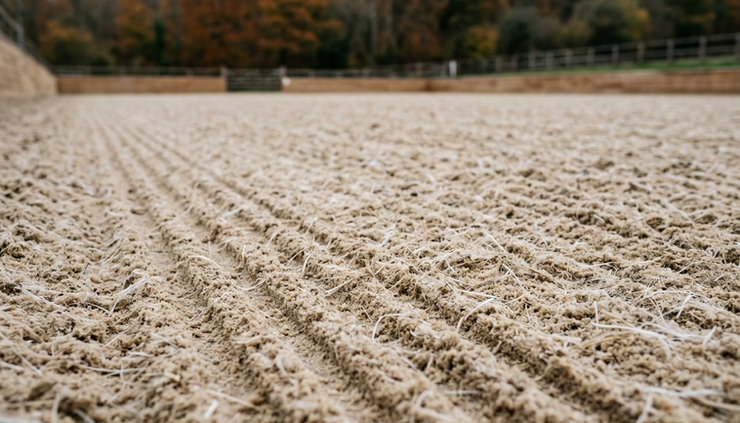
Manege levellers are designed to move, grade and level arena material without destroying the riding surface. They are especially useful where sand has built up around edges, corners or jumps.
A well-set leveller helps:
Pull loose material away from boards and corners
Fill shallow track lines before they harden
Spread sand evenly across the working area
Reduce ridges caused by turning, lunging or repeated schooling patterns
Support a consistent riding depth
The key is adjustment. Too light, and the machine only skims the top. Too aggressive, and it can drag too much material into one area or disturb compacted layers in the wrong way.
For most arenas, shallow, regular maintenance is better than occasional, heavy correction. A few minutes after a busy session can prevent hours of remedial work later in the month.
Watch the edges before winter
Arena edges are often neglected because they sit just outside the main riding line. Yet they tell a lot about what the surface is doing. If sand or fibre is banked against the boards, the riding area loses material from the centre.
That matters in winter because built-up edges can trap water and prevent free movement towards drains or channels. They can also narrow the effective riding space, encouraging horses to stay on the same track every time.
A leveller with an edge blade or side tool can bring material back into use. Used gently and often, it keeps the full width of the arena working rather than letting the surface creep outwards.
Artificial surface groomers protect fibre and mixed surfaces
Sand and fibre arenas need a different approach from plain sand. The fibre provides stability, moisture retention, and spring, but only when it remains evenly distributed across the surface. If it migrates, clumps or forms a mat, the footing can become inconsistent.
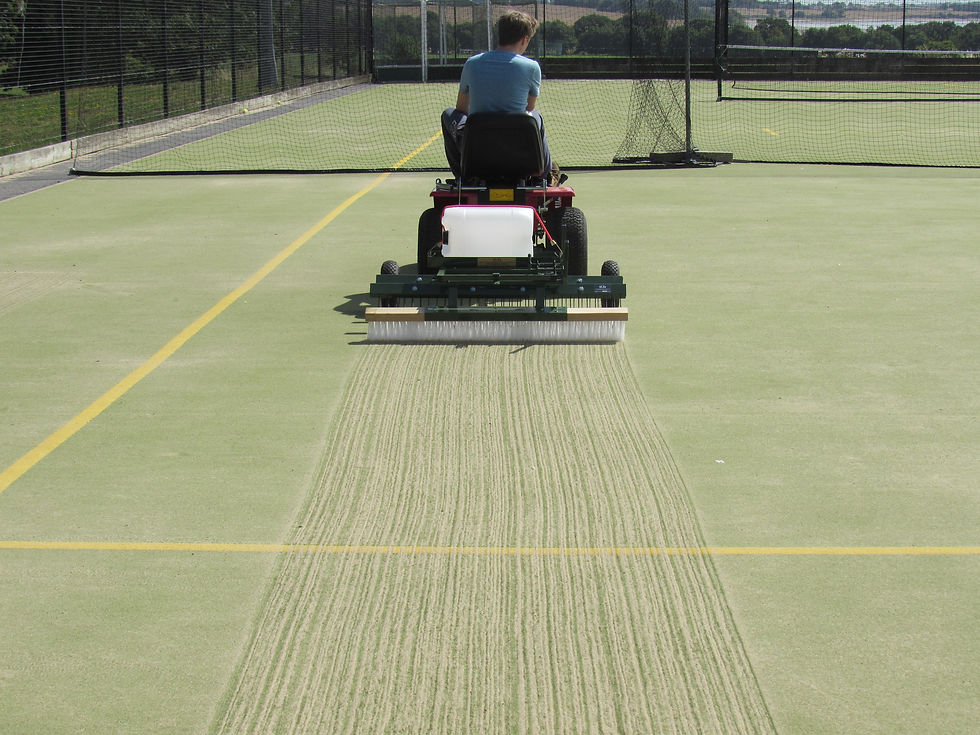
Artificial surface groomers are built to lift and mix the surface without overworking it. Tines, rollers, brushes and levelling bars can be set to suit the material and depth. This matters because fibre surfaces can be damaged by the wrong tool or too much pressure.
A suitable groomer can help:
Re-blend fibre through the upper layer
Break up compacted hoof marks
Keep moisture moving evenly through the surface
Prevent loose sand from separating from the fibre
Leave a safe, level finish for schooling or sport use
For winter, the aim is balance. The surface should not be fluffed up so much that it rides unstable, but it should not be left sealed and compacted. Grooming should leave the arena even, supported and able to drain.
A pre-winter arena maintenance routine
Winter-proofing is a process, not a single pass with a machine. The best results come from a simple routine that keeps small surface changes under control.
Clear contamination before it mixes in
Remove droppings, leaves and debris as quickly as possible. Organic matter breaks down into fine material that can clog the surface. Around trees and open sides, autumn leaves can create a slippery layer and slow drainage.
Gateways also need attention. Mud and stone brought in on hooves, boots or tyres can change the surface texture and damage the base over time. A clean entrance reduces the amount of unwanted material entering the arena.
Check moisture and compaction
Walk the arena before grooming, especially after heavy rain. Feel for changes underfoot. A compacted track, hollow corner or deep patch often shows before it becomes visible from a distance.
If one area stays wet, do not keep dragging through it without checking the cause. It may need material moved back in, a gentle lift, or a closer look at drainage around the edge.
Level the high-use areas more often
Not all parts of an arena wear at the same rate. Corners, circles, jump approaches and the outside track usually need more frequent attention.
Focus on:
The entrance and first few metres inside the gate
The long sides where horses follow the fence line
Corners used for transitions and schooling movements
Jump take-off and landing zones
Lungeing areas if used regularly
These areas benefit from frequent light levelling. Waiting until the track is deep and compacted means the equipment has to work harder, and the surface takes longer to recover.
Vary the grooming pattern
Always travelling in the same direction can create hidden ridges and uneven compaction. Change the route when safe to do so. Work the long sides, then cross the school. Pay extra attention to corners and edges, but avoid tight turns that pull material into piles.
The goal is an even surface across the whole arena, not a polished strip down the centre.
Set the machine to the surface depth
Depth control is vital. If the riding layer is around a set depth, the groomer or leveller should work within that layer. Contact with the base can contaminate the riding surface and weaken the arena structure.
Adjust the machine when conditions change. A surface behaves differently when dry, damp or saturated. Winter grooming often requires a more careful approach than summer maintenance because wet material moves more readily.
Choosing the right equipment for the job
A specialised sports and equestrian range should cover different surfaces, towing vehicles and maintenance needs. An indoor school with a waxed or fibre surface may need a different tool from an outdoor sand arena exposed to wind and rain.
When comparing manege levellers and surface groomers, look beyond size and price. Focus on how the machine works with the surface.
Useful features can include:
Adjustable tines for controlled loosening
Levelling bars to grade displaced material
Rollers for a consistent finish
Edge tools to pull material away from boards
Depth wheels to protect the base
Compatibility with compact tractors, ATVs or utility vehicles
Build quality matters in winter. Wet sand and fibre are heavy, and a light tool may bounce or skim rather than work evenly. At the same time, heavier equipment must still be easy to adjust and suitable for the towing vehicle.
For shared yards and sports facilities, simple adjustment is a real advantage. Not all users may have the same experience, so clear settings and predictable results make routine maintenance easier to maintain consistency.
What a winter-ready arena should feel like
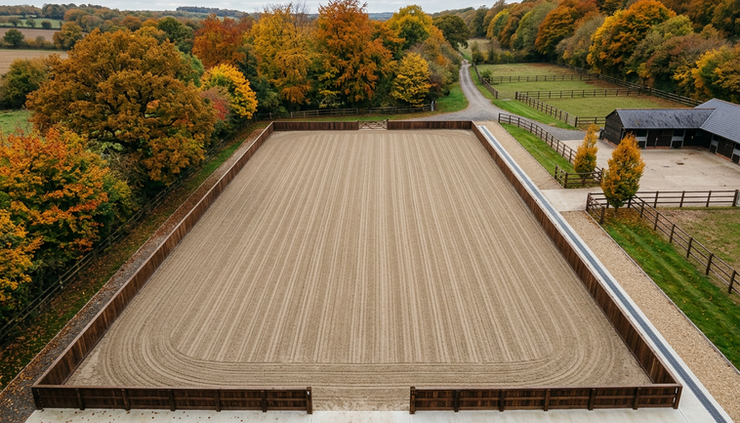
A well-maintained arena does not have to be pristine every hour of the day. It does need to remain safe, workable and predictable.
After levelling or grooming, the surface should feel:
Even across the track and centre
Firm enough to support the hoof
Open enough to let water move through
Free from ridges, hollows and sealed patches
Consistent in depth from corner to corner
If the arena rides deep in one area and hard in another, the surface needs closer attention. If puddles sit for long periods while the rest drains, check for compaction, contamination or blocked drainage. If fibre is visible in clumps, the surface may need careful re-mixing with the right groomer.
Winter exposes weak points quickly. That can be frustrating, but it also gives a clear maintenance guide. The places that fail first are the places that need routine attention.
Keep the surface working before the weather turns
The best time to winter-proof an arena is before the first long spell of rain. Once the surface is saturated, every correction becomes harder. Sand weighs more, fibre can gather, and compaction sets in faster.
Manege levellers and artificial surface groomers help protect the investment already made in the arena. They keep material where it should be, support drainage, reduce tracking and make daily maintenance more predictable.
A good routine does not need to be complicated. Keep debris out. Watch the high-use areas. Groom lightly and often. Set the machine properly. Use equipment designed for sports and equestrian surfaces rather than relying on a general-purpose tool.
Do that before winter takes hold, and the arena has a far better chance of staying rideable, level and ready for work through the wet months.

