Essential Tips for Paddock and Equestrian Care for Healthy Horses
Caring for horses goes beyond feeding and riding. The environment where horses live and train plays a crucial role in their health and performance. Proper paddock and equestrian care ensures horses stay comfortable, safe, and ready for action. This post explores practical ways to maintain paddocks and riding arenas, emphasising the importance of surface quality and grooming tools such as Manege Groomers.

Why Paddock Care Matters
Paddocks are the horses’ home base. They provide space for exercise, grazing, and socialising. Poor paddock conditions can lead to injuries, hoof problems, and stress. Muddy or uneven ground increases the risk of slips and strains. Overgrazed areas can cause soil erosion and reduce grass quality, affecting nutrition.
Maintaining paddocks means:
Ensuring good drainage to avoid waterlogging
Rotating grazing areas to prevent overuse
Repairing fences and gates regularly
Removing manure to reduce parasites and flies
These steps create a safer, cleaner environment that supports horse health and wellbeing.
The Role of Manege Maintenance in Equestrian Facilities
Manege maintenance is essential for any riding arena or training surface. A well-maintained manege provides consistent footing, reducing the risk of injury during training or competition. The surface must absorb shock, drain well, and remain level.
Key aspects of manege maintenance include:
Regular harrowing or grooming to keep the surface even
Checking for and filling holes or ruts
Managing dust through watering or using dust control products
Using appropriate materials for the surface, such as sand, rubber, or fibre mixes
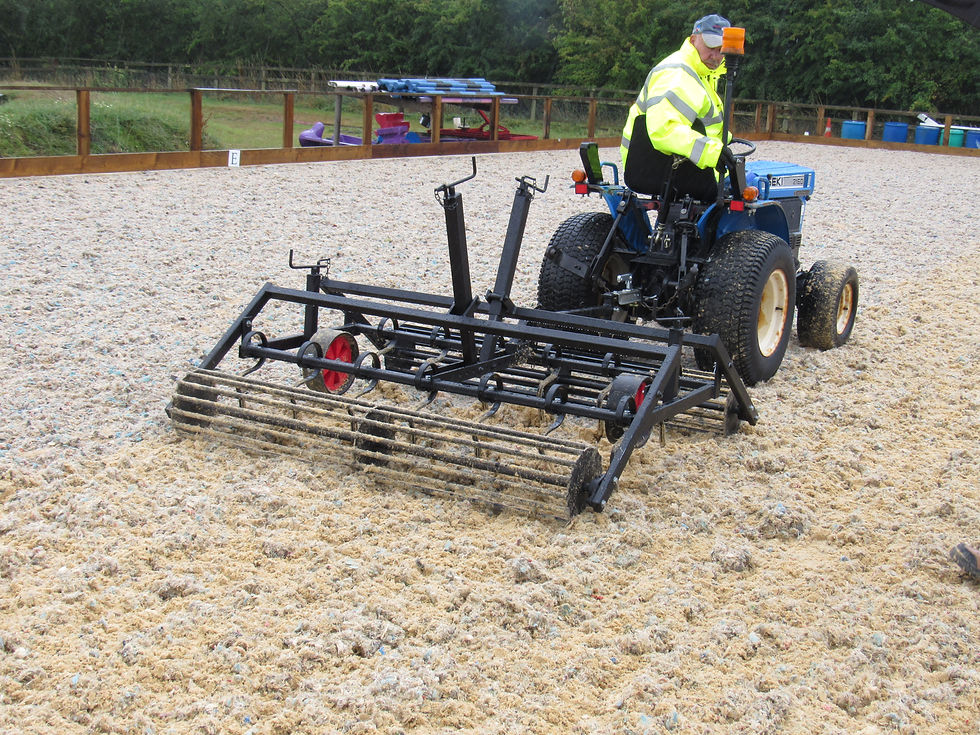
Using tools like Manege Groomers helps maintain the surface efficiently. These groomers break up compacted soil, redistribute footing material, and smooth the arena. This keeps the surface safe and comfortable for horses and riders.
Choosing the Right Surface: Multi-Surface Options
Not all arenas or paddocks require the same footing. The choice depends on the type of riding, climate, and budget. Multi-surface options combine different materials to create a durable, versatile base.
Examples of multi-surface materials include:
Sand mixed with rubber granules for shock absorption
Fibre additives to improve stability and reduce dust
Clay and sand blends for better drainage
Multi-surface arenas offer benefits such as:
Reduced maintenance needs
Better traction and cushioning
Longer lifespan compared to single-material surfaces
Selecting the right surface and maintaining it with tools like Manege Groomers help ensure consistent footing and reduce the risk of injury.

Practical Tips for Effective Paddock and Manege Care
Schedule regular inspections
Walk your paddocks and arenas weekly to spot issues early. Look for uneven ground, drainage problems, or damaged fencing.
Use Manege Groomers consistently
Groom your arena surface after heavy use or weather events. This prevents compaction and maintains a smooth footing.
Remove manure daily
Regularly cleaning paddocks reduces parasite loads and keeps the area hygienic.
Choose multi-surface materials for arenas
If building or upgrading an arena, consider multi-surface options for durability and comfort.
Maintain fences and gates
Check for loose boards, broken wires, or rusted hinges. Secure fencing protects horses and prevents escapes.
How Proper Care Benefits Horses and Riders
Well-maintained paddocks and arenas improve horse welfare and training outcomes. Horses move more confidently on consistent footing, reducing the risk of injury. Healthy paddocks provide better grazing and reduce stress. For riders, a smooth arena surface means better control and safer riding conditions.
Investing time and resources into paddock and manege maintenance pays off with happier, healthier horses and more enjoyable riding experiences.